San Marcos, CA · Lawn conversion
Replace Your Lawn in San Marcos with a Low-Water Yard
San Marcos sits inland in North County, where the marine layer thins early and valley summers run hot — keeping a lawn green from June into October means running sprinklers hard right when water is scarce and fire weather peaks. Replacing your front lawn with low-water San Diego natives cuts that summer irrigation, ends the weekly mow, and can qualify you for the turf-replacement rebate your water district participates in. Use the free planner below to sketch your new yard, group plants by water need, and take a real plan to the Vallecitos Water District — and, if you want, to a local installer.
Your water providerVallecitos Water District serves most of San Marcos, including the Lake San Marcos community; some homes near the city's northern edges and the Vista boundary are served instead by the Vista Irrigation District. Both are retail agencies that buy imported water wholesale from the San Diego County Water Authority (which in turn imports it through the Metropolitan Water District of Southern California) — but the retail district named on your bill is the one that administers your rebate, so check that name first.
If the Vallecitos Water District (or the Vista Irrigation District) is your provider, your turf-replacement rebate most likely runs through the regional SoCal Water$mart program (socalwatersmart.com), funded by the Metropolitan Water District, with the San Diego County Water Authority's WaterSmart programs behind it; homes in unincorporated county jurisdiction may also layer the County of San Diego's Waterscape Rebate Program for native plantings. You generally must apply and receive an approval — a reservation of funds — before you remove any turf; rebates aren't retroactive, and funding can pause. Rates, caps, and eligibility change often and depend on your property, so confirm the current terms directly with your retail district before planning around any rebate.
1 Pick a look
A knee-high tapestry of native grasses and sedges threaded with seasonal flowers — the relaxed, walkable look that reads as a meadow, not a cactus garden.
2 How much lawn are you replacing?
Not sure of your square footage? Size it by shape
Measure the lawn you're removing. For an odd shape, add a couple of rectangles together.
3 Your plant plan
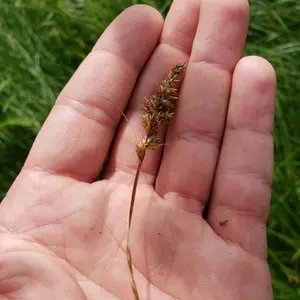
Clustered field sedge Carex praegracilis
2×1 ft · Sun–part shade · Evergreen
Premier no-mow lawn swap: mow short for turf or leave long for a meadow. Takes light foot traffic; wants regular water to stay green.
139 plants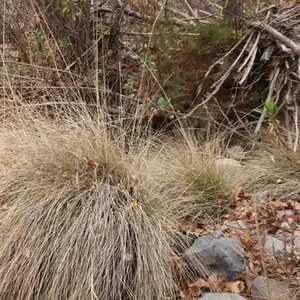
Deer grass Muhlenbergia rigens
4×3.5 ft · Full sun · Evergreen
Evergreen native clump with tall arching flower spikes for a strong accent. Keep it back from the house, out of the first 5 ft.
8 plants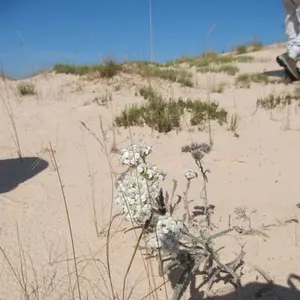
Common yarrow Achillea millefolium
2×1.5 ft · Full sun · Evergreen · Blooms late spring to summer
California native that knits into a soft, fern-leafy mat, staying low with white summer flower stalks. Tough and easygoing.
42 plants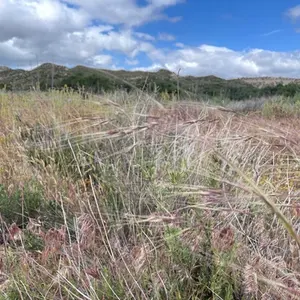
Purple needlegrass Stipa pulchra
2×3 ft · Sun–part shade
California's native state grass, great for erosion control and reseeds on its own. Keep it out of the first 5 ft by the house.
21 plants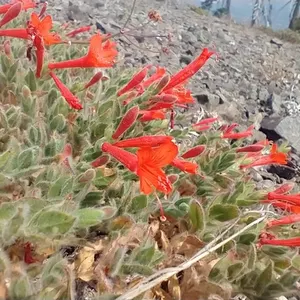
California fuchsia Epilobium canum
3.5×1.5 ft · Full sun · Blooms late summer to fall
Scarlet trumpet flowers late summer to fall make it a hummingbird favorite. Cut to the ground each winter for a fresh flush.
6 plants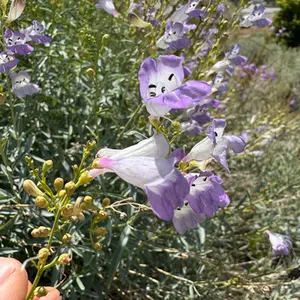
Foothill Penstemon 'Margarita BOP' Penstemon heterophyllus 'Margarita BOP'
2×1.5 ft · Full sun · Evergreen · Blooms spring to early summer
Electric blue-to-fuchsia tubular flowers pull in hummingbirds and native bees. The toughest, longest-lived foothill penstemon.
21 plants
Plant photos from iNaturalist contributors · CC BY / CC0. See the full plant guide →
🔥 Fire-smart placement: Deer grass, Purple needlegrass are drought-tolerant but more flammable — keep them out of the 0–5 ft strip against the house (Zone 0) and use the low-flammability plants there instead. Want a palette that's fire-safe right up to the wall? Try the look.
You're converting about 400 sq ft of lawn. Many Sacramento-area water providers pay a per-square-foot cash rebate for replacing lawn with low-water landscaping (often called Cash for Grass) — programs and rates change, so check your own provider's current offer and rules before you start.
Rebate programs usually want low-water plants covering a set share of the area and drip irrigation in place. This plan reaches roughly 100% live-plant coverage at maturity — GoGarden doesn't determine eligibility or amounts.
Want it installed?
Let a local pro know you're interested · no obligation
Plant counts use triangular on-center spacing and are planning estimates — buy a few extra for losses and confirm spacing with your nursery. Water use follows WUCOLS for the Central Valley; flammability guidance follows CAL FIRE / UC ANR; costs are 2026 retail assumptions, not quotes. Palette drawn for Sacramento (USDA zone 9b) — 48 plants and growing.
San Marcos water rebates: confirm who bills you before you dig
Most San Marcos homes get their water from the Vallecitos Water District, the retail agency that reads your meter and bills you across the city and the Lake San Marcos community. Homes toward the northern edges and the Vista line are sometimes served instead by the Vista Irrigation District — so before you plan around any rebate, check the district name printed on your bill. Neither district funds turf rebates on its own: both buy imported water wholesale through the San Diego County Water Authority and the Metropolitan Water District of Southern California, and the turf-replacement rebate most San Marcos homeowners use runs through the regional SoCal Water$mart program (socalwatersmart.com), funded by MWD. If your property sits in unincorporated county jurisdiction, the County of San Diego's Waterscape Rebate Program can layer an extra incentive for planting California natives. The step people get wrong: you must apply and receive an approval — a reservation of funds — before you remove a single blade of turf. Rebates are not retroactive, so tearing out the lawn first disqualifies you. We don't print a per-square-foot rate or cap here on purpose: those numbers change between seasons and funding can pause without much notice. Treat anything you read online as unconfirmed until your own retail district spells out today's terms.
Why replace your front lawn in San Marcos
San Marcos sits inland in North County, in a valley ringed by hills — Double Peak, the San Marcos Mountains, and the ridgelines above San Elijo Hills — far enough from the coast that the marine layer usually burns off by mid-morning. That means hotter, drier summers than Carlsbad or Encinitas just to the west, plus autumn Santa Ana winds that pull moisture out of everything. Holding a cool-season lawn green through a Twin Oaks Valley August takes the heaviest watering of the year exactly when supplies are tightest and fire-weather risk climbs. Much of the city is built on slopes with fast-draining decomposed-granite soil, where sprinkler runoff sheets downhill and wastes water before turf roots ever use it. Your front yard is also the most visible part of the property: in neighborhoods like San Elijo Hills, Discovery Hills, and Santa Fe Hills — many under HOA landscaping guidelines — a well-designed low-water yard reads as an upgrade, not a compromise. Converting turf ends the weekly mow, cuts summer irrigation sharply, and, done with drip and a few inches of mulch, stays full and textured through the dry season instead of going brown and patchy the way a struggling lawn does by late summer. On a slope, deep-rooted natives also hold soil far better than shallow grass.
Low-water plants that thrive in San Marcos's climate
San Marcos's inland-north climate — hot, dry summers and mild winters with occasional inland frost, roughly USDA zone 9b–10a — suits a rich palette of San Diego natives and Mediterranean plants. Local natives are the backbone and shrug off valley heat once established: Cleveland sage and black sage, California buckwheat, San Diego sunflower (Bahiopsis laciniata), sticky monkeyflower, and tough evergreen shrubs like toyon, lemonade berry, laurel sumac, and sugar bush (Rhus ovata), which is especially well suited to hot inland slopes. For structure and spring color, add ceanothus ('Concha' or 'Ray Hartman') and a manzanita such as 'Howard McMinn'. Native bunchgrasses — deergrass and others — give movement and knit slopes together, doubling as erosion control on San Marcos's granite hillsides. Mediterranean companions like lavender, rosemary, and westringia carry the same water-thrifty look with year-round foliage. The method matters more than any single plant: group everything by how much water it wants so you're not overwatering the tough stuff to keep a thirsty plant alive, put it all on drip rather than spray, and mulch two to three inches deep to hold moisture and suppress weeds. Do that and a San Marcos yard can look lush on a small fraction of a lawn's water — and stay that way through the fire-season heat.
Replacing a lawn in San Marcos — FAQs
Who provides my water in San Marcos?
Most of San Marcos, including the Lake San Marcos community, is served by the Vallecitos Water District — the retail agency that meters your water and sends your bill. Some homes near the northern edges and the Vista boundary are served instead by the Vista Irrigation District. Check the district name on your water bill: it determines which rebate program you apply through and who administers it.
Is there a rebate for replacing my lawn in San Marcos?
Usually, yes. San Marcos retail districts participate in the regional SoCal Water$mart turf-replacement rebate (funded through the Metropolitan Water District), and homes in unincorporated county jurisdiction may also tap the County of San Diego's Waterscape Rebate Program, which adds an incentive for California native plants. We don't quote a dollar amount here on purpose — rates, caps, and funding change — so confirm the current terms directly with Vallecitos or Vista Irrigation before you count on it.
Do I have to get approval before removing my lawn?
Yes — this is the rule people miss. The turf-replacement rebate requires you to apply and receive an approval, a reservation of funds, before you remove any grass. Rebates are not retroactive: tear out the lawn first and apply afterward and you're generally disqualified. Funding can also pause when a program runs low, so apply and get the written go-ahead before the first shovel goes in.
What should I plant instead of grass in San Marcos?
Lean into inland North County natives and Mediterranean plants: Cleveland and black sage, California buckwheat, San Diego sunflower, and sticky monkeyflower, plus evergreen shrubs like toyon, lemonade berry, laurel sumac, and sugar bush for hot slopes. Ceanothus and manzanita add structure, and deergrass and other bunchgrasses hold hillside soil. Lavender, rosemary, and westringia round it out. Group plants by water need, run drip, and mulch well. The free planner helps you lay out beds and pick a palette for your yard's sun and slope.
Does GoGarden install my yard or handle the rebate paperwork?
No. GoGarden is a free planning tool, not a landscaping contractor, and we don't file rebate applications for you — the reservation of funds has to come from you through your own water district. What we do is help you design the conversion, understand your local rebate landscape, and, if you'd like, connect with local pros who can install it. Using the planner costs nothing.
Areas we serve
Serving homeowners across San Elijo Hills, Lake San Marcos, Twin Oaks Valley, Discovery Hills, Coronado Hills, Santa Fe Hills, University District and the greater San Marcos area.
Lawn conversion in nearby cities
aSaaSin Ventures LLC operates GoGarden — a free planning tool that can connect you with a local pro, not the installing contractor. Rebate programs, rates, and eligibility are set by your water provider and change often; confirm the current terms with them, and get any required written pre-approval, before removing turf. Plant and cost figures are planning estimates.