Lawn-Conversion Planner
Replace thirsty lawn with a low-water garden you'll actually want to look at. Pick a look, enter your lawn's size, and get a real plant list in about a minute — exact counts, spacing, cost, and how full it'll look at maturity.
Free · no sign-up · built for Sacramento, with drought-tolerant plants rated for fire-smart placement.
1 Pick a look
A knee-high tapestry of native grasses and sedges threaded with seasonal flowers — the relaxed, walkable look that reads as a meadow, not a cactus garden.
2 How much lawn are you replacing?
Not sure of your square footage? Size it by shape
Measure the lawn you're removing. For an odd shape, add a couple of rectangles together.
3 Your plant plan
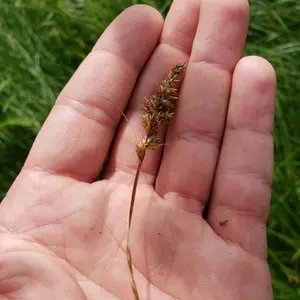
Clustered field sedge Carex praegracilis
2×1 ft · Sun–part shade · Evergreen
Premier no-mow lawn swap: mow short for turf or leave long for a meadow. Takes light foot traffic; wants regular water to stay green.
139 plants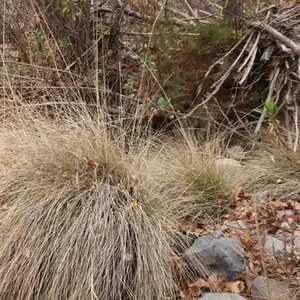
Deer grass Muhlenbergia rigens
4×3.5 ft · Full sun · Evergreen
Evergreen native clump with tall arching flower spikes for a strong accent. Keep it back from the house, out of the first 5 ft.
8 plants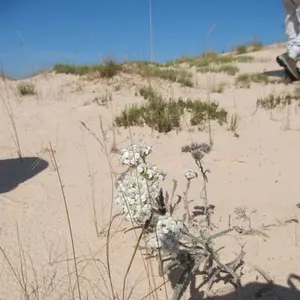
Common yarrow Achillea millefolium
2×1.5 ft · Full sun · Evergreen · Blooms late spring to summer
California native that knits into a soft, fern-leafy mat, staying low with white summer flower stalks. Tough and easygoing.
42 plants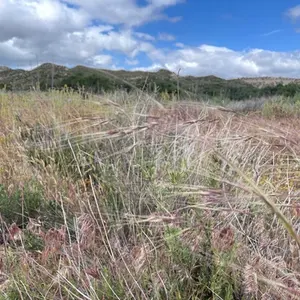
Purple needlegrass Stipa pulchra
2×3 ft · Sun–part shade
California's native state grass, great for erosion control and reseeds on its own. Keep it out of the first 5 ft by the house.
21 plants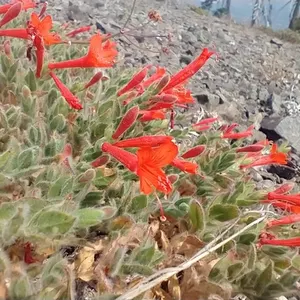
California fuchsia Epilobium canum
3.5×1.5 ft · Full sun · Blooms late summer to fall
Scarlet trumpet flowers late summer to fall make it a hummingbird favorite. Cut to the ground each winter for a fresh flush.
6 plants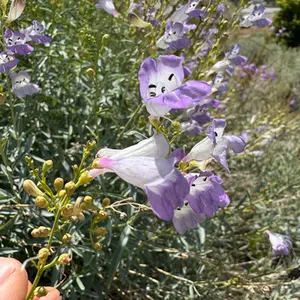
Foothill Penstemon 'Margarita BOP' Penstemon heterophyllus 'Margarita BOP'
2×1.5 ft · Full sun · Evergreen · Blooms spring to early summer
Electric blue-to-fuchsia tubular flowers pull in hummingbirds and native bees. The toughest, longest-lived foothill penstemon.
21 plants
AI-generated plant illustrations · GoGarden. Cultivars use species or genus representatives. See the full plant guide →
Plants only — this estimate doesn't include lawn removal, soil prep, irrigation, mulch, delivery, or labor.
Project budget beta
A rough, all-in estimate — every line is editable. Ranges, not a quote.
💧 Many California water districts pay roughly $1–$3/sq ft to replace lawn with low-water plants (usually capped, and requiring pre-approval before you start). Find your supplier's program →
* Lawn removal, drip irrigation, labor, and contingency start from typical California ranges and are editable — adjust them to your own quotes. Lawn removal and drip irrigation are priced per sq ft by method and already include their own labor; the install labor line is a percentage of plants + materials only (noisy, since it depends on plant sizes). It's a planning aid, not a bid.
🔥 Fire-smart placement: Deer grass, Purple needlegrass are drought-tolerant but more flammable — keep them out of the 0–5 ft strip against the house (Zone 0) and use the low-flammability plants there instead. Want a palette that's fire-safe right up to the wall? Try the look.
You're converting about 400 sq ft of lawn. Many Sacramento-area water providers pay a per-square-foot cash rebate for replacing lawn with low-water landscaping (often called Cash for Grass) — programs and rates change, so check your own provider's current offer and rules before you start.
Rebate programs usually want low-water plants covering a set share of the area and drip irrigation in place. This plan reaches roughly 100% live-plant coverage at maturity — GoGarden doesn't determine eligibility or amounts.
Want it installed?
Let a local pro know you're interested · no obligation
Plant counts use triangular on-center spacing and are planning estimates — buy a few extra for losses and confirm spacing with your nursery. Water use follows WUCOLS for the Central Valley; flammability guidance follows CAL FIRE / UC ANR; costs are 2026 retail assumptions, not quotes. Palette drawn for Sacramento (USDA zone 9b) — 48 plants and growing.
Want more than a plant list? Design it bed-by-bed in the Garden Designer, trace the whole yard in the Yard Planner, size the drip in the Sprinkler Calculator, or see water, fire, and cost together on the Resilient California Yard hub.
Local rebate & water info by city
Rebates and water providers are local. See the details for your area:
Replacing a lawn in Sacramento — FAQs
How many plants do I need to replace my lawn?
It depends on the plants and the area. Groundcovers and grasses go in close (1–4 ft apart); shrubs and accents go in wider. The planner counts each plant using triangular on-center spacing — the same offset-grid installers use to close gaps — so a 400 sq ft bed of mixed low-water plants typically lands somewhere around 60–140 plants. Pick a look and enter your area to see the exact list.
Is there a rebate for replacing my lawn in Sacramento?
Often, yes. Several Sacramento-area water providers run per-square-foot 'Cash for Grass' style rebates for converting lawn to low-water landscaping, usually requiring low-water plants over a set share of the area plus drip irrigation. Programs, rates, and rules change and vary by provider, so check your own water agency's current offer before you start — GoGarden helps you plan the planting but doesn't determine eligibility or amounts.
Are drought-tolerant plants also fire-safe?
Not automatically — and that's the honest catch most low-water plant lists skip. Several classic California natives (manzanita, ceanothus, and aromatic woody sages) are wonderful low-water plants but genuinely more flammable, so they don't belong in the 0–5 ft strip against the house. This planner rates each plant's flammability and flags the ones to keep away from the structure, and the 'Fire-Wise Foundation' look uses only low-flammability plants for planting right up to the wall.
How much does a lawn conversion cost?
The plant material itself is usually the smaller part — the planner shows a plant-cost band for your list. A full installed conversion also includes removing the lawn, prepping soil, adding drip irrigation, and mulching, which in California commonly runs several dollars per square foot on top of the plants. Doing the planting yourself from the list keeps it to mostly plant cost.
What plants work for a low-water yard in Sacramento?
Sacramento is USDA zone 9b with hot, dry summers, so the winners are Central Valley–proven low-water plants: native bunchgrasses and meadow sedges (deergrass, Carex pansa), tough perennials (yarrow, California fuchsia, blue-eyed grass), structural sages and coast rosemary, and sculptural succulents like agave and red yucca. The planner's palette is drawn from WUCOLS (Central Valley water use) and UC Davis Arboretum All-Stars.